

IEC | INDONESIA EXPORT CENTER
Indonesian Coffee for a Brighter Tomorrow
GAYO ARABICA COFFEE CUPPING AND QUALITY ASSESSMENT
From the Highlands of Aceh, Indonesia
Sensory Evaluation | Lot-Specific Scores | Coffee Sample Protocol | International Procurement
Understanding Gayo Arabica Coffee Cupping Scores
For international specialty coffee importers, green coffee traders, and roasters, a cupping score can provide useful information when evaluating coffee quality.
However, a cupping score should never be treated as a permanent attribute of an entire coffee-growing region.
Gayo Arabica coffee from Aceh, Indonesia, can exhibit different sensory characteristics depending on its growing conditions, processing method, harvest, storage, and roasting.
Indonesia Export Center (IEC) facilitates sourcing inquiries for Gayo Arabica green coffee, including requests for representative samples and available cupping information.
No verified cupping score for a particular commercial lot has been supplied for this page.
What Is Coffee Cupping?
Coffee cupping is a structured sensory evaluation process used to assess coffee characteristics.
A controlled cupping session helps buyers compare samples under consistent preparation conditions.
Depending on the evaluation protocol, assessors may consider:
- Fragrance and aroma.
- Flavor.
- Aftertaste.
- Acidity.
- Body or mouthfeel.
- Sweetness.
- Balance.
- Uniformity.
- Defects.
- Overall impression.
The precise categories and scoring method depend on the protocol used.
Understanding SCA Coffee Evaluation
The Specialty Coffee Association (SCA) has developed coffee evaluation standards and tools.
Buyers should identify whether a score was produced using a legacy SCA-style cupping form, a current Coffee Value Assessment approach, or another documented method.
Scores generated using different methodologies should not automatically be treated as directly interchangeable.
A report should specify its assessment protocol.
Why Actual Lot Scores Matter
Coffee quality can vary among:
- Different farms.
- Producer groups.
- Harvest periods.
- Processing batches.
- Drying methods.
- Storage conditions.
- Shipment lots.
A regional marketing claim cannot substitute for a report linked to the actual coffee being offered.
Gayo Arabica Flavor Profile
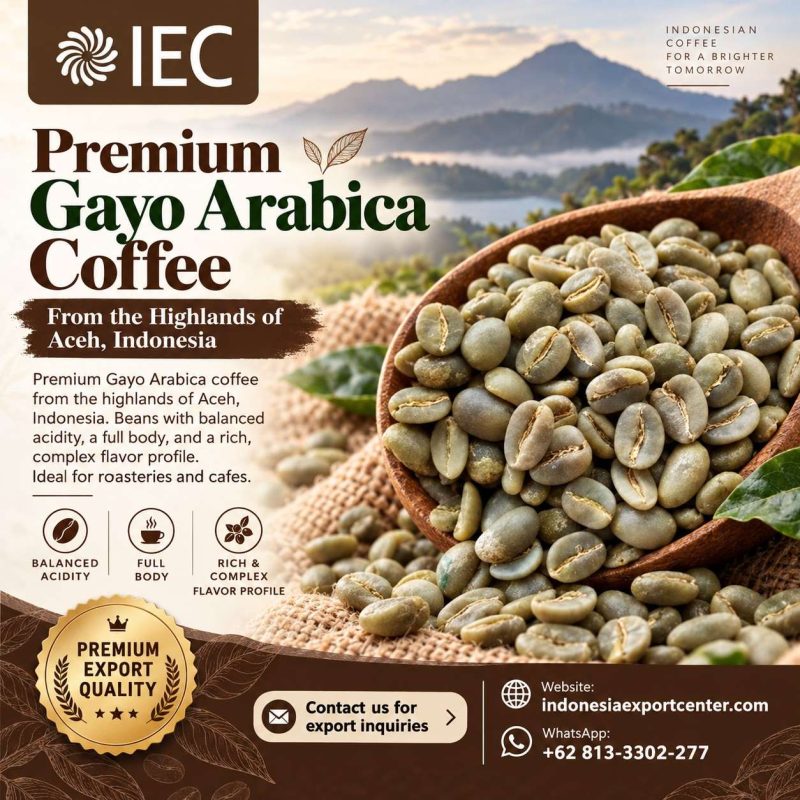
The proposed Gayo Arabica product description emphasizes:
Balanced Acidity: A target sensory characteristic that may contribute to a well-integrated cup.
Full Body: A potential mouthfeel characteristic of selected coffees.
Rich and Complex Flavor: A descriptive profile requiring verification through tasting.
These characteristics should be assessed for each lot.
Cupping Score Verification Checklist
| Item | Buyer Verification |
|---|---|
| Coffee Lot Code | Required |
| Origin | Documented |
| Processing Method | Confirmed |
| Sample Date | Recorded |
| Roast Date | Recorded |
| Evaluation Date | Recorded |
| Cupping Protocol | Identified |
| Evaluator | Identified where available |
| Sensory Results | Documented |
| Final Score | If applicable |
| Defect Findings | Recorded |
| Sample Representativeness | Confirmed |
Sample Preparation and Consistency
Reliable comparisons require consistent preparation.
Buyers should use a defined procedure for:
- Sample storage.
- Sample roasting.
- Roast rest period.
- Coffee dose.
- Grind setting.
- Water quality.
- Water temperature.
- Brewing ratio.
- Evaluation timing.
- Recording results.
The selected procedure should follow the buyer’s chosen cupping standard.
Comparing Coffee Lots
A buyer may use a comparison table:
| Parameter | Lot A | Lot B |
|---|---|---|
| Origin | [Details] | [Details] |
| Processing | [Method] | [Method] |
| Lot Code | [Code] | [Code] |
| Evaluation Protocol | [Method] | [Method] |
| Aroma | [Notes] | [Notes] |
| Flavor | [Notes] | [Notes] |
| Acidity | [Notes] | [Notes] |
| Body | [Notes] | [Notes] |
| Aftertaste | [Notes] | [Notes] |
| Score | [Actual Result] | [Actual Result] |
| Purchase Decision | [Status] | [Status] |
No sample scores are invented or implied by this template.
Cupping Score Versus Physical Grade
A physical grade and a sensory score measure different aspects of coffee.
A lot may have relatively few physical defects without achieving the desired cup quality.
Likewise, a pleasing cup should not eliminate the need for physical quality inspection.
A comprehensive evaluation should consider both.
Coffee Defects and Cupping
Sensory defects may be associated with problems in harvesting, processing, drying, storage, or contamination.
Buyers should record unacceptable taints and investigate possible causes before approving a lot.
Sample Approval Before Bulk Purchase
A recommended procurement workflow is:
- Request a lot-specific offer.
- Obtain a representative sample.
- Verify the sample code.
- Conduct physical inspection.
- Roast and cup the sample.
- Record the results.
- Approve or reject the lot.
- Agree on a pre-shipment sample procedure.
- Compare the shipment against the contract.
Can Cupping Scores Change?
Yes. Different evaluators, sample conditions, roast preparation, and assessment protocols can produce different results.
Coffee can also change during storage.
Buyers should therefore record the date, methodology, and sample identity associated with each evaluation.
IEC Cupping Documentation Support
IEC can facilitate requests for supplier-provided cupping reports and sample arrangements.
IEC does not independently guarantee a particular sensory score or specialty classification.
Gayo Arabica Cupping RFQ
Subject: Gayo Arabica Coffee Cupping Report and Sample Inquiry
Dear Indonesia Export Center Team,
We are seeking Gayo Arabica green coffee with documented sensory quality.
Company: [Name]
Country: [Country]
Preferred Processing: [Details]
Target Cup Profile: [Details]
Minimum Cupping Requirement: [If Applicable]
Preferred Evaluation Method: [Details]
Grade: [Requirement]
Defect Limit: [Requirement]
Moisture Requirement: [Requirement]
Sample Quantity: [Amount]
Commercial Quantity: [kg / MT]
Packaging: [Details]
Destination Port: [Port]
Preferred Incoterm: [Term]
Target Shipment Date: [Date]
Please advise on potential lots, available cupping reports, sample terms, technical specifications, and quotation.
Best regards,
[Name]Frequently Asked Questions
What is the cupping score of Gayo Arabica coffee?
There is no single score for all Gayo Arabica coffee. Each lot must be evaluated.
Does IEC have verified cupping scores?
No specific verified score has been supplied for this page.
Is an 80-point score automatically proof of specialty quality?
A numerical threshold may be used in certain grading contexts, but buyers should verify the evaluation framework and the broader quality requirements. A number alone is insufficient evidence.
Can buyers request SCA-based evaluations?
Yes, subject to the availability of an appropriately documented assessment.
Are wet-hulled and washed coffees scored differently?
Both can be evaluated, but the protocol and sample conditions should be identified.
Can IEC coordinate cupping samples?
Yes, subject to supplier availability.
Request Gayo Arabica Cupping Reports and Samples
Evaluate Indonesian Gayo Arabica through actual sensory evidence and representative coffee samples.
REQUEST GAYO ARABICA CUPPING INFORMATION
IEC | INDONESIA EXPORT CENTER
Website: https://indonesiaexportcenter.com/
WhatsApp: +62 813-3302-277
Related Resources
Gayo Arabica Coffee Microlot Supplier
Gayo Coffee Moisture and Defect Specifications
Gayo Coffee Screen Size and Grading
